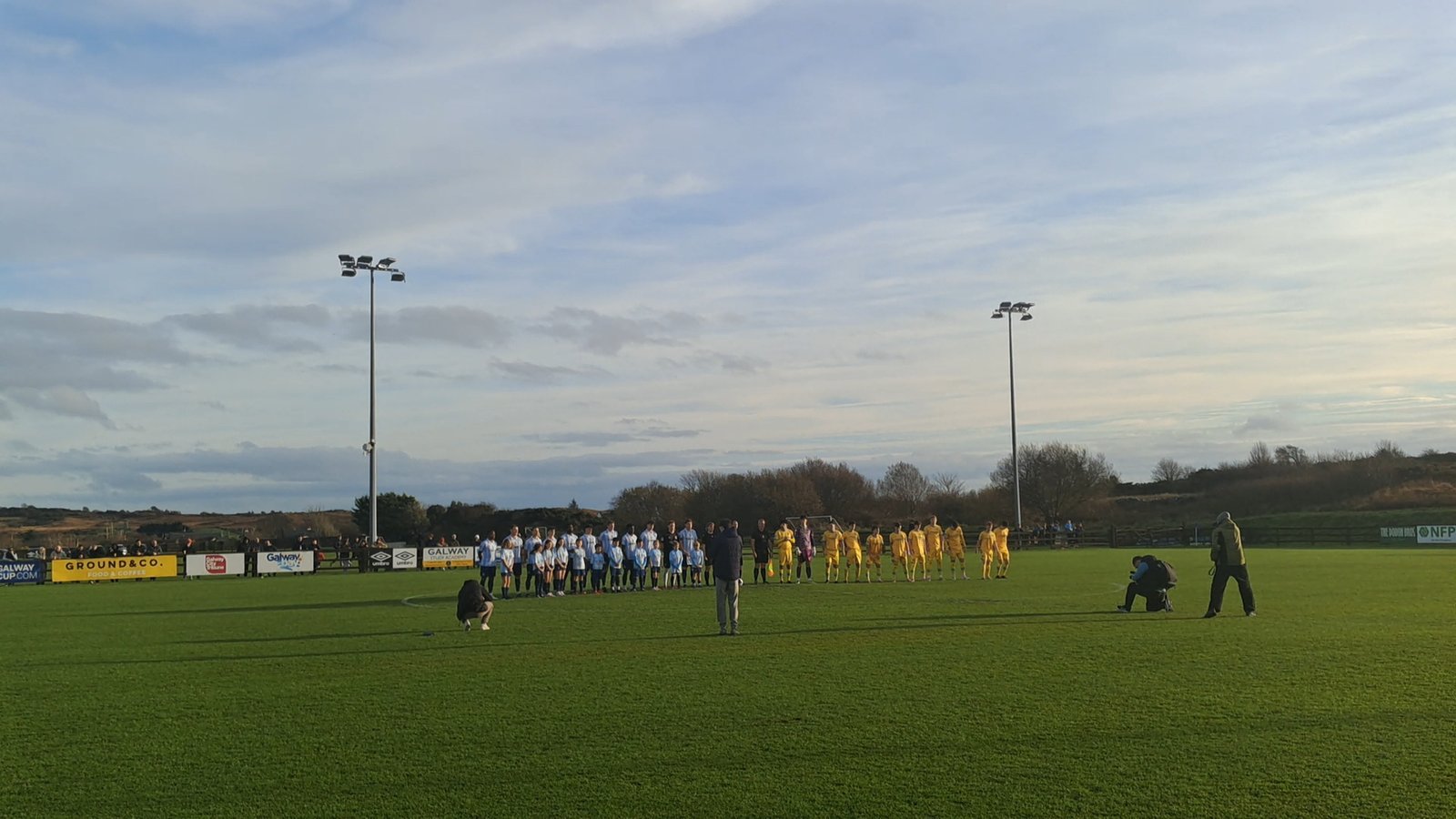
Home Farm DCU beat Salthill Devon 2–1 at Drom Soccer Park on Saturday, 21 November, to reach the first FAI National League final. They will face Lucan United, who defeated Villa 2–1 in the other semi-final. The meeting will decide the inaugural champion of Ireland’s new top tier of amateur football, but it will not send either club into the League of Ireland First Division.
The semi-finals began at 3 pm in Ireland, or 22:00 WIB. In Galway, the visitors were the only group runners-up to make the last four. Their win over the Group 2 leaders is a good illustration of what the competition’s short knockout phase was designed to do: give clubs that had come through different groups a direct contest for the title.
Home Farm regain the lead after the restart
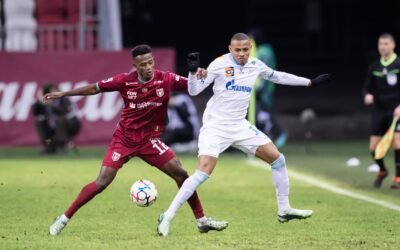
Shane Forbes put Home Farm ahead in the 33rd minute, with a strike from about 25 yards following a free kick. Salthill then lost Churchill Idemudia to a second yellow card shortly before the interval. They went into the dressing room one goal down and with ten men.
The hosts found a way back immediately after the restart. Ben McDonnell supplied Richard-Miguel Lapointe-Guevara for the equaliser in the 46th minute, but Harry O’Connor soon restored Home Farm’s lead. A McDonnell free kick cleared the crossbar in the 61st minute, and a further Salthill chance went over late on. Salthill managed the first equaliser after going a player down, but not the second.
That was a different outcome from the one Salthill had managed on the final day of the group stage. Their 2–1 win over St Francis on that final day secured first place in Group 2. The victory gave them another match at Drom. Home advantage, however, did not carry any points or a second leg into the semi-final. Once O’Connor had put the visitors back in front, Salthill had to find another equaliser to keep their season going.
Home Farm’s route could hardly have been more different. They began with a 2–2 draw away to Bonagee United, coming back from two goals down to take a point in their first group match. Gavin Peers’ side did not win Group 1 and had to qualify by comparison with the teams that finished second in the other groups. They then had to face a group winner away from home. Saturday’s result does not invalidate Salthill’s stronger position within their own group. It shows how the format separates achievement over several fixtures from the pressure of a single knockout tie.
Lucan defeat Villa to set up a Group 1 rematch
Lucan’s 2–1 win at Copper Face Jacks Park ended Villa’s run in the competition. Villa had reached the semi-finals unbeaten, according to the FAI, and had won Group 3. Lucan had taken a different route to the same stage: they lost their opening match to Mervue United, then went unbeaten through the rest of their group fixtures.
That leaves both finalists from Group 1. Lucan finished above Home Farm and won their meeting away from home in the group stage, but the final is a separate fixture. A group match could shape qualification without deciding the championship. The final does the opposite. Whatever the teams learned about one another in the earlier fixtures, only the result of this next meeting will settle the title.
The final is scheduled for Saturday, 28 November, at a neutral venue. No ground or kick-off time was named in the draw announcement. The neutral-site plan also means neither finalist can count on the advantage of staging the season’s decisive game at its own ground.
How the 15-club opening season worked
The FAI’s shortened first season began with 15 founding clubs. They were split into three groups of five, with home and away games within each group. The opening phase comprised ten rounds, although a five-team group meant each club had eight games and two rounds without a fixture. All three group winners qualified for the semi-finals, along with the best runner-up.
That last berth gave teams a reason to keep competing after their group title was out of reach. It also made the groups interdependent at the top: a side could finish second without knowing whether that would be enough until the other results were in. Home Farm used the one runner-up place; the three other semi-finalists all qualified by finishing first. Both semi-finals paired teams from different groups, so neither was a replay of a group fixture. In Home Farm’s case, it led from a group campaign with Lucan to an away match against the Galway group winner and now back to Lucan again.
The national competition did not require the founding clubs to begin with a full home-and-away season across all 15 teams. Three smaller groups were the format chosen for the launch, with the FAI planning a fuller competition from spring 2027. For 2026, the consequence is clear: winning a group was the most direct route into the last four, not a requirement for winning the league itself.
A first trophy, not promotion
The FAI’s season guide explicitly said there was no opportunity for promotion to the League of Ireland First Division in the shortened 2026 season. It identified 2027 as the first season in which a mechanism would be in place for National League clubs to seek promotion, with criteria still to be approved at the time of that announcement. That is not an assurance that winning the National League alone will be sufficient, and it is not an entitlement carried forward by this year’s champion.
The distinction matters because both Irish competitions have ‘league’ in their names. The FAI National League is the top amateur tier; the League of Ireland First Division is the division to which the future mechanism would offer a route. Saturday’s results therefore settled who will contest a new national title, not who will enter the First Division.
For Home Farm, the first season has already shown the value of that fourth semi-final place. It kept them in the competition long enough to beat a group leader away from home. Lucan’s path has proved the other route works too: recover from an opening defeat, win the group, then beat a previously unbeaten opponent. Now the two clubs have one match left, and a trophy that neither could have won before this season.
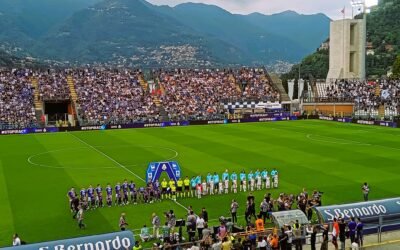
Photo: The teams line up before kick-off at Drom Soccer Park, 21 November 2026. LzerLive / Wikimedia Commons, CC BY 4.0. https://commons.wikimedia.org/w/index.php?oldid=1304584249 · https://creativecommons.org/licenses/by/4.0/.